Projects
Preventative Maintenance Software
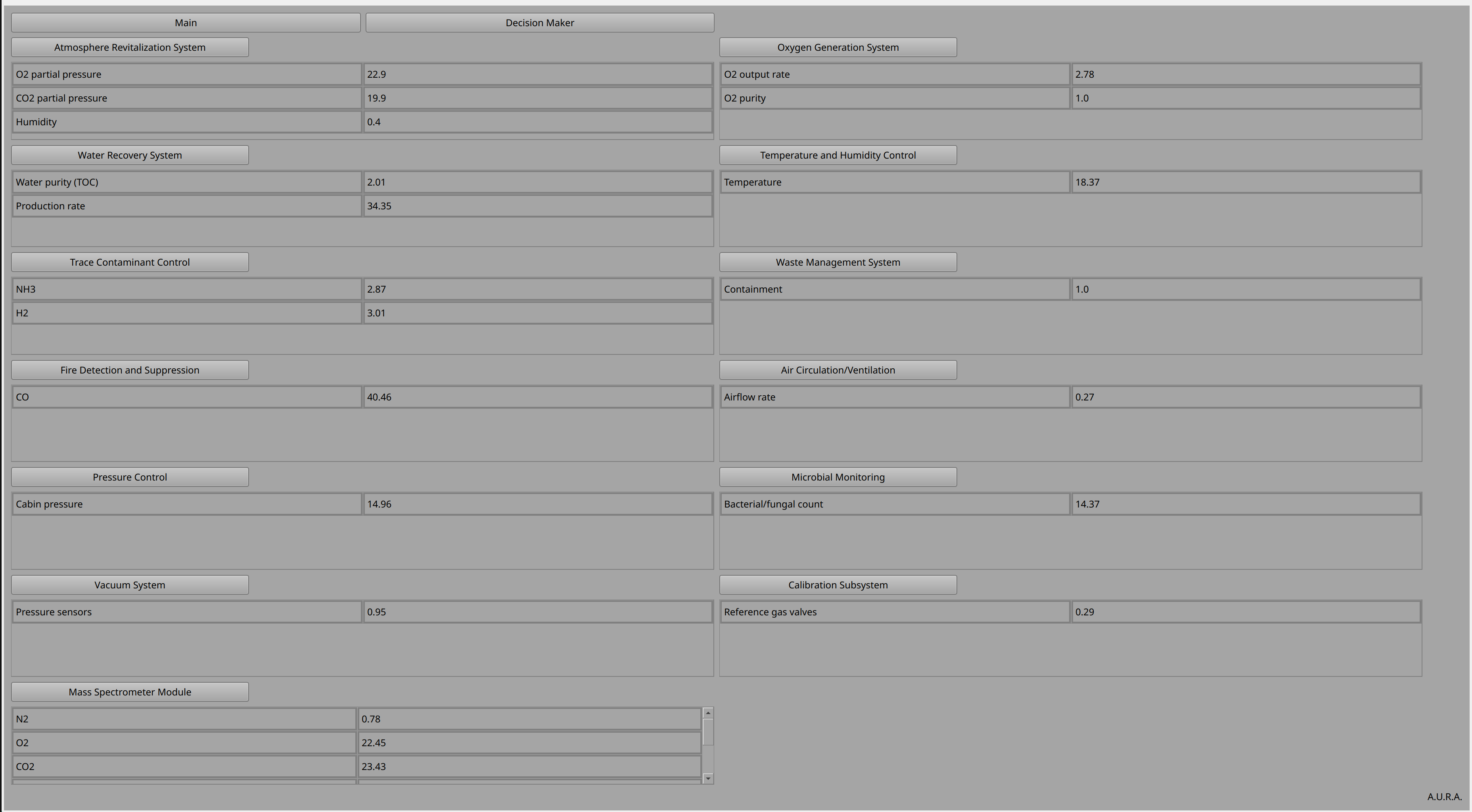
Our core software is designed to analyze real-time spacecraft data collected by ECLSS sensors. It automatically identifies potential system inefficiencies or anomalies and provides early warnings to mission operators. This predictive system enables faster decision-making and ensures optimal mission safety and performance.
Data Ingestion and Visualization
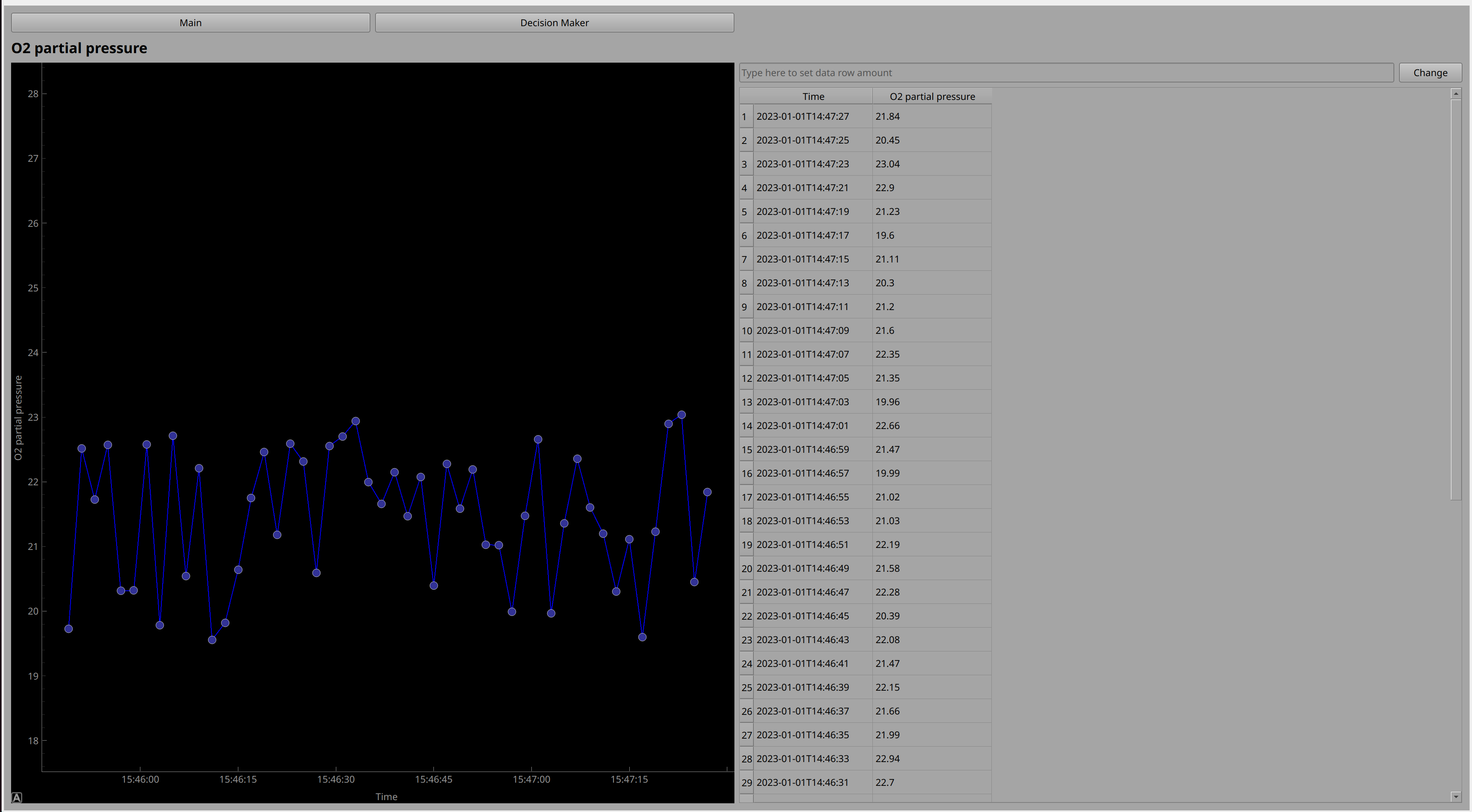
Our data ingestion module captures vast sensor streams in real time, converting them into clear visual insights. The graphing and analytics interface lets operators view performance metrics, detect trends, and act on insights immediately — a critical tool for long-duration missions.
Digital Twin
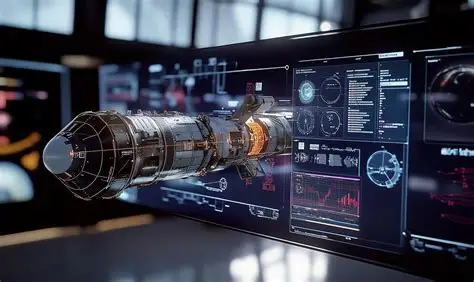
Train a reinforcement learning (RL) model using both unsupervised and supervised data in conjunction with a digital twin of the spacecraft. By leveraging the digital twin, we can simulate the day-to-day operations, environmental conditions, and system behaviors of the spacecraft in a controlled virtual environment. This enables the RL model to experience and learn from a wide range of realistic scenarios, including rare or high-risk events, thereby improving its ability to make accurate and reliable decisions when deployed on the actual spacecraft.
Isolation Forest
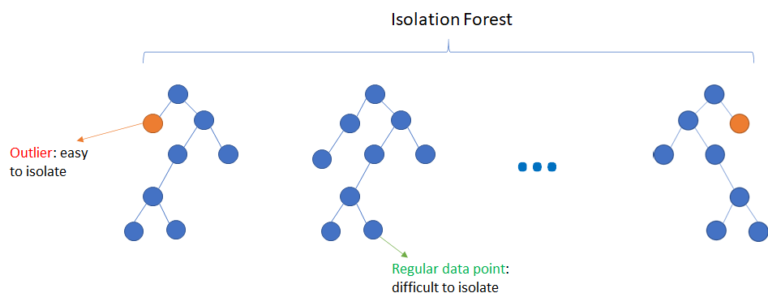
Incorporate an Isolation Forest algorithm to analyze and preprocess sensor data collected from the spacecraft. The Isolation Forest can be used to detect anomalies or irregular patterns in the sensor readings, identifying potential outliers that may indicate system faults, sensor drift, or unexpected environmental conditions. By filtering and labeling this data before it is used for model training, the quality and reliability of the dataset can be significantly improved. This process ensures that the reinforcement learning and other predictive models are trained on accurate, representative information, reducing the risk of bias or error and enhancing the overall decision-making performance of the system.